


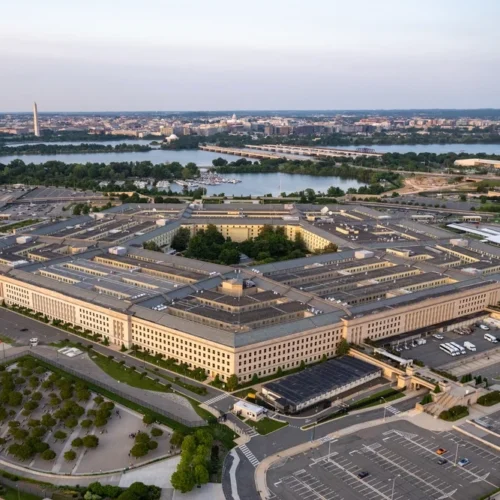
NPR is among the outlets refusing to sign a new Pentagon press access policy, joining more than 20 major organizations in rejecting rules that journalists and legal experts warn would undermine press freedoms and limit independent reporting on the US military.
The policy requires reporters to acknowledge that they could be labeled “security risks” and lose their Pentagon press credentials if they ask Defense Department employees to share certain types of information, including some unclassified material. Media lawyers say the Pentagon’s language could strengthen future prosecutions under the Espionage Act.
The rules are part of a broader tightening of media access under former Fox News host, now Secretary of Defense, Pete Hegseth. Hegseth seeks to ban access to any reporter who does not acknowledge the new policy in writing. The Department of Defense insists that the policy merely asks reporters to acknowledge the rules, not agree with them.
All five major broadcast networks, ABC, CBS, NBC, Fox News, and CNN, also rejected the terms in a rare joint statement Tuesday. The only outlet to agree is the far-right One American News Network, which signed a previous agreement with the Trump Administration to provide its coverage free of charge on Voice of America after the mass firing of USAGM employees.
In a statement, NPR Editor-in-Chief Thomas Evans said the network would “never be party to limitations on the independence of the press.” In a statement, Evans wrote, “If reporting about the American military is pre-approved by the military, the public is not getting real reporting – it is getting only what officials want the public to see.”
Evans said NPR’s decision was grounded in its mission to provide “trustworthy, independent journalism to the American public,” adding that the new policy gives the administration “final say over what can and cannot be reported about our military and its actions.”