



As mental health takes center stage in national conversations, the Georgia Association of Broadcasters is making it a statewide priority. Through a growing partnership with the Georgia Department of Behavioral Health and Developmental Disabilities, the GAB has launched a multifaceted initiative aimed at equipping its member stations—and their audiences—with tools to support mental well-being.
At the heart of the effort is a simple but urgent goal: normalize the conversation around mental health in every newsroom, on every airwave, and in every Georgia community.
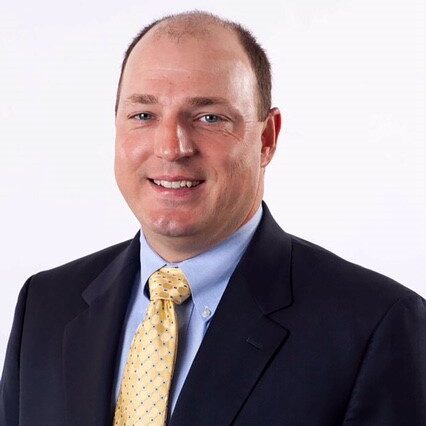
Radio Ink sat down with GAB President Randy Gravley to talk about the origins of the initiative, how it’s being implemented, and what’s next for this statewide push to improve mental health awareness across the broadcast landscape.
Radio Ink: What sparked the GAB focus on mental health as a statewide initiative?
Randy Gravley: So, the Georgia Department of Behavioral Health and Developmental Disabilities (DBHDD) was a PEP partner of ours, so we were running their public education program spots promoting 988, which is the suicide crisis and mental health hotline. Then they came to us and asked, “How can we grow this partnership and make sure we are letting all of the radio and TV station personnel know what we’re doing and what’s available to their listeners and viewers, as well as what’s available for them?”
They started by providing resources for our members, like links and materials, when they need it, whether it’s during a hurricane or whatever the situation may be.
Then, at our 2025 Hall of Fame event, we presented our first DBHDD and Georgia Association of Broadcasters Mental Health Awareness Award. We award that to a corporation or organization that has gone above and beyond in supporting their company and employees in the area of mental health awareness. This first award went to NAMI Georgia, which is the state organization that deals with mental health and similar issues.
In our ongoing partnership, we’re also getting ready to roll out something new for our member stations at our annual GABBY Awards, which recognize our radio and TV broadcasters for their excellence and the work they do. We’re adding a new category to recognize members’ coverage or promotion of mental health awareness.
And then, we said, “Okay, how can we continue this and make sure that our station personnel have access to training at their fingertips?” So one way was putting it on our website, and then also having it available at our annual convention, which is the largest gathering of radio and TV station personnel in Georgia. It just made perfect sense to have it there.
Radio Ink: And what will broadcasters be learning there?
Randy Gravley: To continue the partnership and the importance of educating our members, we’re partnering with DBHDD and 988 Georgia to provide an hour-long training class for our broadcasters at GABCON 2025, at Truist Park in Atlanta on September 19 and 20. It includes several different training modules that go through things like how to deal with crisis intervention, responsible reporting on mental health, things to say, things not to say, and just mental health support overall.
Once they complete the class and go through the different modules, they’ll receive a certificate of completion for training on the do’s and don’ts of reporting on mental health. There’s also a portion of the course focused on broadcaster self-help and self-care.
We’re really trying to make sure, as an organization, that broadcasters across the state, are talking about mental health issues as much as possible. To do that, we’re also making sure they have the resources and training tools they need to know how to cover and discuss those issues, because they can be difficult to talk about.
Radio Ink: When we talked with Cal Beyer for this series, we discussed how mental health support is a demanded, yet developing, area in many newsrooms. How has your initial feedback been from reporters or station staff?
Randy Gravley: Well, again, because we are just rolling it out, we’re basically trying to promote it to all of our members, but especially in the newsrooms, as you mentioned. We’re letting them know it’s there, it’s available, it’s okay to use it.
They may not need it today, but we want them to know it’s there if they do need it. Because today, our news personnel are working extremely hard. They’re going from daylight to dark, making sure they’re hitting their deadlines. So when you’re reporting on stories that may be horrific at times, it takes a toll on them as well, in their personal mental health.
Radio Ink: You mentioned that this is a double-ended initiative. It’s not just focused on newsrooms, but also on listeners – something John Shomby touched on last week. What role do you see broadcasters playing in normalizing mental health conversations?
Randy Gravley: I think the more that we talk about it, the more we normalize it – because this is normal, right? – the more that people are saying, “Hey, I have mental health issues,” or “My son or daughter or my parent does,” it takes away that stigma and allows us to open up. So I think for us, it’s about making sure that we’ve got the resources for our members, but it’s more than just that, too. It’s about us, as radio and TV broadcasters serving our community, making sure that they know about mental health, mental health awareness, and the resources that are there.
Radio Ink: What does the future of this initiative look like for the GAB five years from now?
Randy Gravley: You know, I don’t know what it’s going to look like five years from now, but I know what we want it to be. And that’s that every citizen in Georgia knows about 988 and the different resources that are there during a mental health crisis or suicide event – that they know where to turn and who to call.
Then, for our members, making sure that they know and are trained on the resources that are also available to them. Because, as you mentioned, this is a two-pronged partnership.
Then lastly, that our radio and TV stations are promoting this very important cause and initiative to all of their residents, communities, listeners, and leaders. So I would hope that in five years we’re continuing to talk about it, but that in five years, everybody knows what 988 is and what other resources are available for them.
Radio Ink: What advice would you offer to other state broadcast associations or groups looking to launch similar efforts?
Randy Gravley: We all know how powerful our radio and TV broadcasters are. They are well-respected and adored in the communities they serve. What I would say is: look to them to partner, to get a message like 988 – or other causes that are important to your community and your state- out there.
Find Mental Health Awareness Month coverage in the May issue of Radio Ink Magazine – out now.
Really impressed by how the GAB brought together broadcasters across the state for such an important cause. Mental health still carries a lot of stigma, so seeing the media take the lead in spreading awareness is powerful. Hope more states do something similar!
Comments are closed.