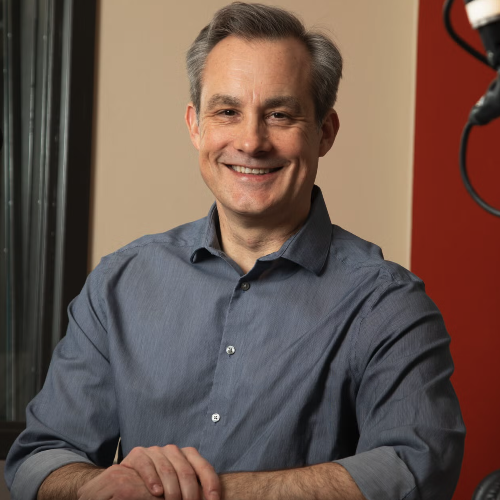
After more than 13,000 broadcasts, Larry Meiller is stepping away from his Wisconsin Public Radio midday call-in program at the end of June, passing the multi-topic, listener-driven show to a familiar voice: Lee Rayburn.
Rayburn, a Madison native and University of Wisconsin–Madison graduate, spent two decades producing and hosting talk shows at stations across the country before joining WPR in 2019. He and executive producer Jill Nadeau have both contributed to the midday broadcasts and served as Meiller’s fill-in hosts for years.
The show will continue its current format, covering the outdoors, consumer issues, technology, books, home improvement, and more, with expert guests and live listener calls central to every broadcast. WPR is marking Meiller’s career with a series of live broadcasts and events across the state, leading up to his final show.
Meiller noted, “The guests and the people who call in and email us are the stars of this show. It’s always been shaped as much by them as by our team. Farmers and gardeners, doctors and neighbors, first-time callers and decades-long regulars. The people of Wisconsin have always been the co-creators of this show. That spirit doesn’t retire. It evolves, and I’m excited to see and hear how this program will continue to grow and evolve.”
Rayburn said, “I am humbled and honored beyond words. I loved listening to Larry Meiller long before I became a broadcaster and never could have imagined I would have this opportunity. Working alongside Larry has taught me how to best serve Wisconsin by using each show to help make people’s lives better every day. That is exactly what we will continue to do.”
WPR Director Sarah Ashworth added, “We welcome Lee into this new role and are confident that he will continue the legacy that Larry has established. He brings a natural warmth, humor, and curiosity to the role. He will now be the voice of a program that trusts its listeners, takes their questions seriously, and recognizes the sharing of practical knowledge as a public service. This transition is less a handoff than a natural progression, shaped by shared work and shared purpose. It’s a program we get to keep building on, together with our audience.”