



In the past year, local radio has helped communities survive hurricanes, floods, wildfires, and more; many times becoming the only trusted voice left standing when cell towers fail. Now the NAB has a new resource to help stations prepare for the next emergency.
NAB has released 10 Steps to Disaster Preparation and Recovery, a comprehensive guide designed to help radio stations safeguard their operations, protect staff, and maintain critical coverage in the face of both natural and man-made disasters. The guide addresses everything from emergency communication plans and cybersecurity to generator fuel contracts and shelter-in-place protocols.
“Radio stations play a unique role as first informers during disasters, providing breaking news alerts and round-the-clock reporting,” the guide states. “Given the resiliency of the broadcast infrastructure, broadcasting is often the only communications outlet available.”
The 10-step plan includes recommendations for assessing physical and digital vulnerabilities, training staff for technical and on-air roles, testing continuity systems like backup transmitters and studio links, and working proactively with emergency management officials. It also emphasizes cybersecurity, post-disaster reviews, and insurance planning to ensure operations can resume quickly after a crisis.
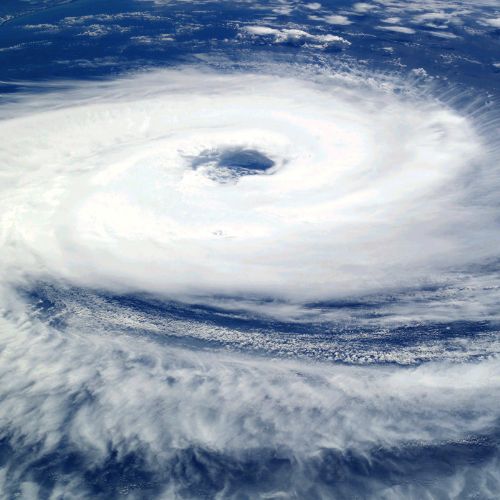
The guide comes as the 2025 hurricane season raises alarms. Forecasters from NOAA project a 60% chance of above-normal activity heading into the fall, including up to 10 hurricanes and as many as five Category 3 storms or stronger. The NAB encourages stations of all sizes to use the guide as a planning tool, whether they’re updating longstanding protocols or building their first emergency strategy.