


With 435 House seats, 33 Senate races, 38 governorships, and 90 state legislatures in play, 2026 promises a hyper-competitive political landscape – and radio must move quickly if it wants a bigger slice of the ad spend, says Silver Oak Political President Steve Passwaiter.
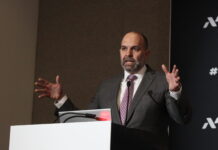
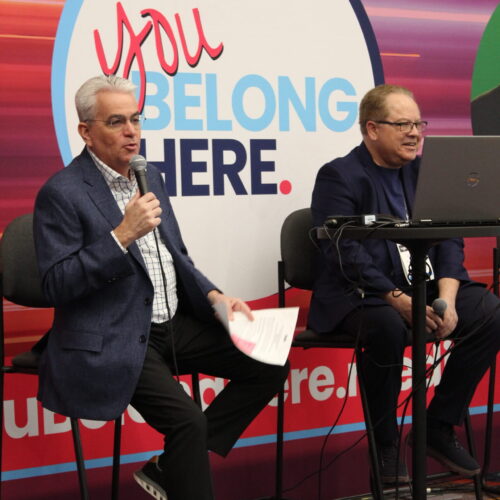
At NAB Show 2025, Passwaiter joined RAB President and CEO Mike Hulvey for a sobering but opportunity-filled conversation about the state of political advertising for radio operators
“There are billions of dollars out there, and that money is going to a lot of other places,” said Passwaiter, who noted that political advertising spent on tracked media reached nearly $12 billion in 2024 and $10 billion during the 2022 midterms.
Adding to the opportunity, the cycle between elections has all but disappeared. “Pretty much there’s about half an hour between political cycles now,” Passwaiter joked. This constant churn means that radio cannot afford to treat 2025 as an off year. Rather, it is a critical time to build relationships, refine offerings, and develop targeted solutions that meet buyers’ evolving needs.
Despite frustrations with placement challenges, Passwaiter made it clear that sellers themselves are not to blame. “All the people I talked to on the buy side were almost laudatory of what they felt about radio sellers,” he said. The real issue lies in how radio packages its value and demonstrates its ability to meet political advertisers’ increasingly sophisticated expectations.
A key factor moving forward is strengthening local relationships. Political advertising is becoming more state and local-focused, with an emphasis on advocacy campaigns, ballot initiatives, and down-ballot races. Passwaiter encouraged stations to engage directly with local party leaders and campaign teams instead of relying solely on agency relationships.
“Digital audio is often a preferred choice because it’s traceable and trackable,” said Passwaiter, a reminder that stations must prioritize offering and selling digital inventory to remain competitive. Understanding the importance of targeted audience segments, rather than just overall reach, is another vital adjustment for broadcasters. Political campaigns now focus on influencing small, persuadable voter blocks, meaning advertisers need confidence that media buys will directly impact priority groups.
Pricing remains a sensitive issue. Passwaiter shared that if radio CPMs rise too close to television levels, campaigns may walk away, no matter how effective radio might be. “If your CPMs start to get close to where the television guys are, you’re out,” he said bluntly.
Finally, Passwaiter also highlighted missed opportunities in Hispanic and African-American radio. Despite the growing power of these voters, many buyers in 2024 were reluctant to invest in Spanish-language campaigns. This offers radio another potential angle to stand out by positioning itself as the best and most trusted way to reach multicultural audiences authentically and effectively.
Looking ahead, major battlegrounds will include governor races in states like California, Wisconsin, Michigan, and Ohio, as well as key Senate contests in Georgia, Michigan, and New Hampshire. Previously overlooked legislative and State Supreme Court races, like what we saw in Wisconsin, are also drawing bigger budgets.
Hulvey stressed that broadcasters must be proactive, saying, “At the end of the day, the question that everyone in this room has is what can we do about this situation and to bring more money rightfully back to radio?” Passwaiter emphasized the urgency: “This is the year to figure out, all right, how can we be a better partner? What do we need to do to be a better partner? What’s working? What isn’t working?”
For stations willing to invest the time and effort, political advertising offers one of radio’s biggest immediate revenue growth opportunities. But the window to prepare is already open and closing fast.


No More Off-Years
Comments are closed.