

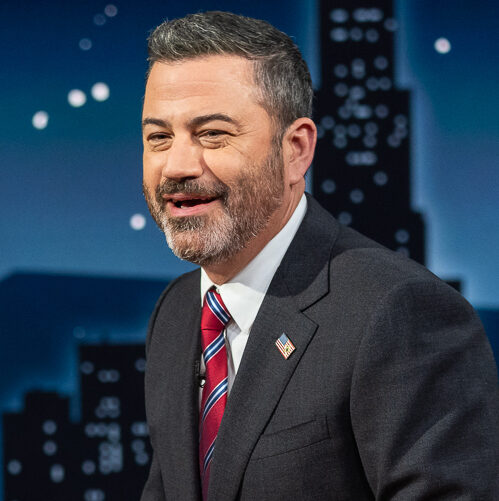
Jimmy Kimmel’s late-night return put FCC Chairman Brendan Carr at the center of a barbed attack, framing free-speech rights as the centerpiece of his comeback. As Kimmel mocked Carr’s threats, the National Religious Broadcasters issued their own call for FCC fairness.
The full speech mixed apology, defiance, and theatrical provocation, with the overarching theme that government pressure on broadcasters and platforms risks chilling speech across the media. Kimmel thanked friends and fellow late-night hosts, as well as rivals like Sen. Ted Cruz (R-TX) and Clay Travis, for their defense of free speech.
Kimmel then turned on Carr, calling his statements made on The Benny Show, a Cumulus Media-distributed podcast, “Not a particularly intelligent threat to make in public.”
“Brendan Carr is the most embarrassing car Republicans have embraced since [the Tesla Cybertruck],” Kimmel continued, even using a past tweet from Carr against him. In May 2022, Carr wrote, “President Biden is right. Political satire is one of the oldest and most important forms of free speech. It challenges those in power while using humor to draw more people into the discussion. That’s why people in influential positions have always targeted it for censorship.”
After a commercial break, the show returned with a sketch of Kimmel “calling” Carr’s office, only to be met by a new, ersatz chairman-turned-consigliere, played in the bit by Robert DeNiro, treating the role like a mob job: bullying, threatening, and joking about punishing comedians for crossing political lines.
On the same day as Kimmel’s return, the National Religious Broadcasters reaffirmed free speech as central to democracy, urging the FCC to apply standards fairly.
NRB President & CEO Troy A. Miller said, “The strength of our democratic republic lies in its openness to diverse voices in the public square, and the government is responsible for allowing space for civil disagreement. When one voice is suppressed, all voices are at risk. If viewpoint-based suppression can be directed at mainstream broadcasters today, it could be directed at faith-based broadcasters tomorrow.”
NRB General Counsel Michael Farris added, “Ultimately, it is the FCC’s job to ensure that ‘broadcasting in the public interest’ is defined in a way consistent with the First Amendment. Imbalance alone should never serve as grounds for silencing a broadcaster. If that were the standard, Christian radio and television would be at risk, as they rightly take strong positions without providing equal time to opposing viewpoints. The role of government is to safeguard speech, not restrict it.”
NRB said it remains committed to working with the FCC to ensure regulations are enforced consistently and without political bias.