


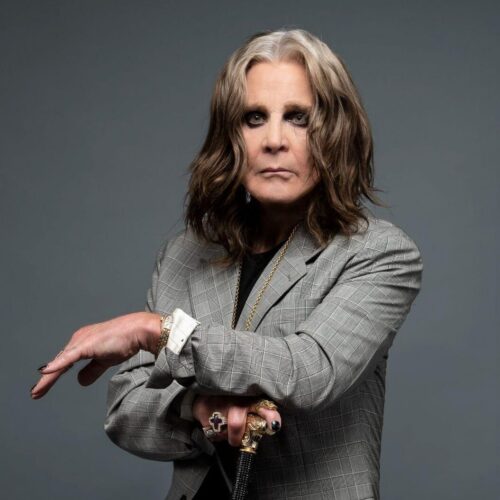
When a core artist dies, radio can’t afford to miss the moment. It’s a chance to connect, to lead the conversation, and to remind listeners why the medium unites. Ozzy Osbourne’s death on Tuesday was one of those moments, and two of the country’s biggest rock stations wasted no time rising to the occasion.
iHeartMedia New York’s Q104.3 pivoted within minutes. “The news came through about 2:15,” Program Director Eric “Big E” Wellman told Radio Ink. “We were on the air with it and playing wall-to-wall Ozzy and Sabbath at 2:20.”
Wellman immediately consulted trusted staff: afternoon host Ken Dashow, imaging lead Rick Gangi, and Executive Vice President Thea Mitchem on how far the station should go in marking the loss. “We all agreed this was ‘pull out all the stops,’” said Wellman. For nearly five hours, the format was abandoned in favor of an all-Ozzy tribute, including custom tribute production voiced and delivered within the hour.
On Wednesday, the station continued honoring Osbourne with double shots leading each set and continued play throughout middays.

In Los Angeles, the urgency was just as high. KLOS had its morning team on the air within seven minutes of confirmation. “Within 30 minutes, Matt Pinfield and Nik Carter were in studio as well,” Meruelo Media SVP of Programming and Content Pio Ferro said to Radio Ink. “The calls were still coming in by the time the Alice Cooper show started [Tuesday] night… non-stop.”
Rather than focus solely on music, KLOS leaned into storytelling. “Many stories were from inside the building. Matt Pinfield knows everybody, Nik Carter, same, and Stew Herrera has been part of the KLOS team for 30+ years,” Ferro said. “Christian Hand is on with Frank now. Knowing Ozzy was so delicate, the world knew it might not be long – so we celebrate his work, what he meant, all those he touched with his brilliance in music and TV.”
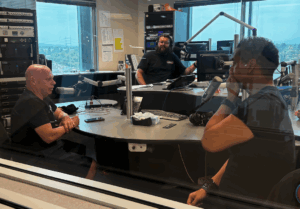
Finding the right tone during these moments is a delicate balance of celebration, reverence, and shared cultural memory. “It’s always tricky to find the right level when one of our artists dies,” said Wellman. “It is ALWAYS a celebration of life, but there’s a lot of nostalgia that goes into it. We see our job as connecting the community together.”
Ferro agreed that “every artist’s situation is different.” The passing of someone unexpected like Taylor Hawkins, he said, demands a different tone than someone whose health had declined publicly. But in every case, the moment demands attention. “Great stations connect with the audience, mirror the audience… so if our listeners are feeling it, we’re there with them. Right beside them.”
For both programmers, owning the moment when a core artist passes isn’t optional – it’s foundational. “This is one of the most important things we can do. It’s part of why we exist,” said Wellman. “You just need to be ready when it happens.”

Ozzy indeed was a loss to the rock world, but so was Chuck Mangione in the jazz world, who also had a top 40 hit in the 70’s, “Feels So Good” and George Kooymans, guitarist for Golden Earring. Last week was a tough week for the musical world. It all started with the passing of Connie Francis, known for her song “Who’s Sorry Now”.
Comments are closed.