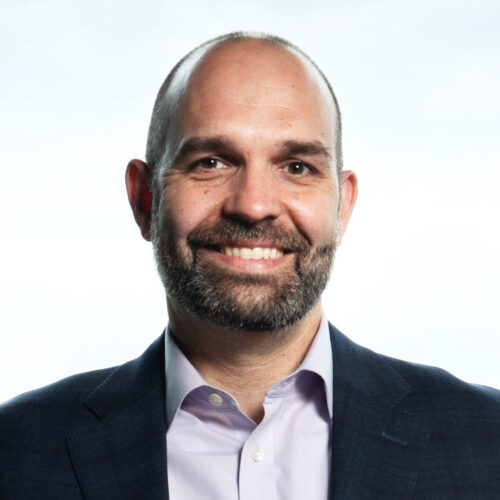
(By NAB President and CEO Curtis LeGeyt) As we reach the halfway mark of 2025, I’ve been reflecting on the momentum we’ve built – and the opportunities that lie ahead – for local radio broadcasters.
We came out of the gates strong this year, building on significant support from the 118th Congress to advance the AM Radio for Every Vehicle Act. Thanks to the tireless advocacy of local stations and grassroots supporters, a majority of House members and Senators have now cosponsored this bipartisan legislation, and the bill overwhelmingly passed the Senate Commerce Committee. These milestones reflect growing recognition in Washington of AM radio’s vital role. More than 125 diverse organizations – from AARP and emergency managers to the Farm Bureau and SAG-AFTRA – have endorsed the bill.
We are working closely with House and Senate leadership on next steps and are laser-focused on getting this bill enacted into law this Congress!
We also began the year with a clear message to Washington: it’s time for the FCC to level the playing field with Big Tech. Broadcasters deliver trusted local news and a vital community connection. While local stations work to serve their communities, outdated ownership regulations continue to limit stations’ ability to innovate and grow. Broadcasters remain bound by rules written for a world that existed before streaming, social media and digital platforms reshaped the media landscape.
We are currently awaiting the outcome of NAB’s legal challenge to the FCC’s 2018 quadrennial review, which failed to update outdated rules holding local radio stations back. In our oral arguments, we argued that the current rules — which limit how many FM and AM stations a company can own in a market based on its size – fail to account for the rise of Spotify, SiriusXM, podcasts and streaming audio, none of which face comparable constraints on the programming options they can offer to listeners.
Once that case is decided, we are optimistic that it will provide needed direction to the FCC in concluding its 2022 review and modernizing these outdated rules. It makes no sense that radio broadcasters are limited in the number of channels they can provide in a market, while Spotify and SiriusXM can offer nearly unlimited choices. We are urging policymakers to update these rules so radio stations can enhance their investment in local service and innovate to better meet the needs of their listeners.
We are also standing firm against efforts to impose a new performance fee on local radio, a harmful proposal that would threaten local jobs, limit exposure to new artists and penalize stations simply for playing music. Support for the Local Radio Freedom Act, which opposes a new performance fee, continues to grow, with more than 185 House cosponsors and 24 in the Senate. This bipartisan coalition reflects the overwhelming view on Capitol Hill that local radio is essential to American life, delivering trusted information, music, weather, sports, and connection to hundreds of millions of listeners every day.
We marked a different kind of milestone in April in Las Vegas, where tens of thousands of attendees from around the world gathered for NAB Show. The Show remains the industry’s launchpad for ideas, deals, and partnerships. This year, we didn’t just highlight the latest innovations, we reimagined the show itself. The refreshed NAB Show reflects today’s evolving media landscape, from local broadcasters to digital-first creators. For radio stations, that meant a focus on sports and AI, hands-on access to cutting-edge tools, audience analytics, and in-car technology, resources that can help drive engagement and strengthen businesses.
We look forward to the NAB Show New York in October when we honor the best radio stations in the country at the Marconi Radio Awards.
This year, we are also celebrating the 25th anniversary of the NAB Leadership Foundation’s Broadcast Leadership Training program, which equips the next generation of broadcast executives with the skills and connections they need to lead our industry forward. With this year’s graduating class, the program now counts 432 alumni, many of whom are already shaping the future of broadcasting in markets nationwide.
None of this progress would be possible without our passionate members, advocacy champions, and policy partners. I am proud of what we’ve accomplished together so far this year and even more energized for what’s ahead.
But we are only at halftime. The second half of the year demands even more unity and engagement from local broadcasters across the country. And like any winning team, we can only succeed together.
Let’s finish strong.
Curtis LeGeyt is the president and CEO of the National Association of Broadcasters. He serves as the chief advocate for America’s free, local radio broadcasters.