




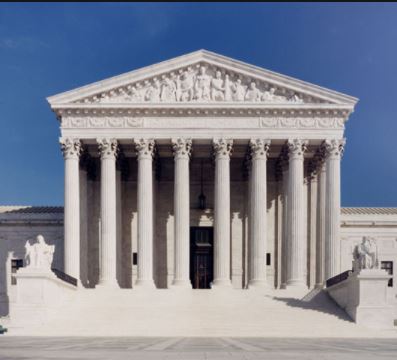
A Supreme Court decision with major implications for broadcasters has once again chipped away at federal agency power – this time limiting how the FCC’s legal interpretations apply in private disputes, further cementing 2024’s end of the “Chevron deference.”
McLaughlin Chiropractic Associates v. McKesson Corporation may not have directly involved broadcasters, but the high court’s ruling sets a precedent that could reach deep into the FCC’s regulatory authority over areas such as political advertising, indecency rules, ownership limits, and licensing disputes.
Going forward, broadcasters could find that FCC interpretations of federal law carry less weight in private enforcement cases – and that district courts are free to reexamine legal questions that agencies thought were settled.
The case tested whether federal district courts must defer to the FCC’s interpretations of the Telephone Consumer Protection Act, specifically its 2019 Amerifactors ruling, which excluded online fax services from restrictions on unsolicited fax ads. McKesson, backed by the federal government, argued that the Hobbs Act – passed in 1946 to regulate labor racketeering but long applied to FCC orders – required lower courts to treat FCC rulings as binding, leaving only federal appeals courts with authority to review agency decisions.
The Ninth Circuit agreed, but the Supreme Court rejected that view. In a 6-3 opinion authored by Justice Brett Kavanaugh, the Court ruled that district courts retain full authority to independently interpret federal statutes during private enforcement cases, even when agencies like the FCC have issued prior rulings.
The decision comes against a backdrop of sweeping judicial rollback of agency authority. In 2024, the Court overturned the “Chevron deference” doctrine in Loper Bright Enterprises v. Raimondo, ending decades of judicial deference to agency interpretations of ambiguous statutes. The McKesson ruling extends that trend into private enforcement disputes, further narrowing the FCC’s ability to shield its orders from challenge in lower courts.
For broadcasters, that shift could open new legal routes for companies facing civil litigation over regulatory matters, while also inviting greater unpredictability as different courts potentially reach conflicting interpretations of longstanding FCC rules.
In dissent, Justice Elena Kagan, joined by Justices Sonia Sotomayor and Ketanji Brown Jackson, warned that the ruling could undermine regulatory consistency, allowing regulated entities to ignore agency rulings until they are sued.
The plaintiff’s representative, Matthew Wessler of Gupta Wessler LLP, issued a statement saying, “Today’s decision ensures that consumers can challenge agency interpretations that would weaken their rights. This is a major win for consumer rights and access to justice.”

Thanks its a great and best idea!
Comments are closed.