


While radio remains competitive among other platforms, the medium’s struggle to effectively promote itself is a constant point of contention for many in the business. A key discussion on the final day of CRS 2025 brought together minds from across music for an honest discussion of the issue.
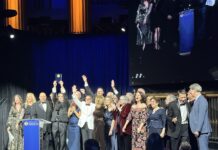
The panel, moderated by 92.5 XTU afternoon host Nicole Michalik and featuring Live Nation VP of Marketing Partnerships and Promotion Joe McCollum, One Country CEO Chase Locke, and The Bobby Bones Show co-host Amy Brown, dug into the strategies radio needs to adopt to stay relevant and recapture audiences.
Radio once relied on its ubiquity – people knew where to find it. That’s no longer the case. “We have to educate people on how to listen to radio again,” Michalik stated, emphasizing that passive engagement is no longer enough.
McCollum – who has a radio background – noted that as corporate consolidation took hold around 2010, passion and audience connection took a backseat to sales and revenue generation. Locke added that promotions teams once integral to radio’s brand building have been reduced to “one-man shops,” leading to fewer creative campaigns and less community engagement.
Brown reflected on what’s missing, saying, “As a show, we’re our biggest self-promoter. You have to market one person at a time, get out, and do things in the community.”
Live Nation’s McCollum pointed out that the company spends less on radio than it once did, but that doesn’t mean the money isn’t there. “Terrestrial still matters, but fans are online,” he said. “Dollars are there and they’ll come back, but you have to work for them.” His advice? Reimagine what’s being sent to promoters. Instead of generic ad packages, stations should be crafting marketing proposals that meet advertisers where they are.
Locke agreed, stressing that brands don’t want “copy and paste” promotions anymore. Radio has to embrace creative, outside-the-box thinking. Brown added that social media is now a necessary marketing tool alongside traditional on-air efforts. “Nobody wants a template anymore,” she said. “Paid product integrations are a way of brand building, but consistency is everything.”
One of radio’s biggest missed opportunities is failing to harness the power of its most passionate listeners. “It’s amazing the passion that young fans have for country music, and they’re the ones influencing and finding the new artists,” Locke noted. By identifying and activating these superfans, stations can extend their reach organically.
McCollum reinforced the importance of targeted messaging. “It doesn’t take a lot of money to boost an app or share where to hear the station,” he said. “You just have to talk in the language of the consumer on the platform you’re using. Talk differently via podcast, streaming, Instagram.”
Brown highlighted that philanthropic efforts can be a major brand-building tool – but only if they’re genuine. “People see if you just want to build yourself and aren’t interested in real connection,” she said. “If something is connecting, take it to the next level.”
The panel’s consensus? Radio’s greatest challenge isn’t competition from streaming – it’s apathy. The final say is that too many in the industry have relied on audiences finding them instead of actively drawing listeners in. “We have to get back to the invitation,” Locke said to close. “Listeners just want to be invited in.”