


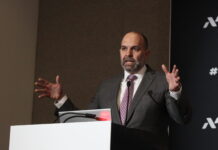


As our industry worries about the state of radio’s “farm team,” The Nebraska Broadcasters Association (NBA) and the Massachusetts Broadcasters Association (MBA) have launched The High School Radio Project (HSRP) to teach high school media students real-world radio skills.
The students can curate and schedule music, record radio breaks, produce news and sports stories, interviews, and PSAs that are aired on a streaming radio station heard globally. The HSRP concept was sketched out by NBA President/Executive Director Jim Timm and MBA Executive Director Jordan Walton. The long-term goal is to have similar HSRP stations run by other state broadcasters associations, creating a streaming network of HSRP stations and generating interest among those pursuing radio as a college major and, ultimately, a career. Michigan Association of Broadcasters President Sam Klemet has announced that Michigan will be joining in this fall, adding a third stream.
In Massachusetts, Watertown High School media teacher Todd Robbins saw a unique opportunity, saying, “School-based student media is the best laboratory for students to experiment with career-ready skills from researching, to writing, to voicing, to editing content for consumption by an audience, and more. The repetitions students gain through the HSRP’s learn-by-doing hands-on model are invaluable. Student broadcasters need a place to learn and experience successes and challenges the same way a student driver does. The HSRP creates the perfect balance of opportunity to thrive or struggle in a safe environment.”

It would be beneficial if schools offered other radio-related activities to students in grades 5 through 12, such as amateur radio. This could be part of the curriculum in a class or an after school volunteer effort. Increasing the number of options and involving local amateur radio organizations could spark interest in broadcasting in all its forms.
Comments are closed.