


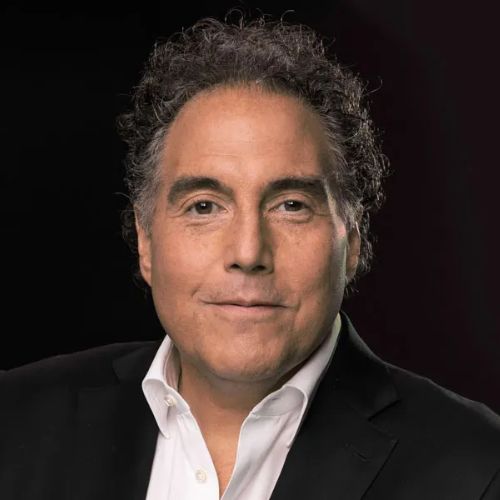
Even after he detailed a handshake deal, 107 phone calls, and a dinner, Soros Fund Management says Connoisseur Media CEO Jeff Warshaw’s claims of a contract are still too vague to enforce and wants his case seeking 5% of profits from its Audacy acquisition dismissed.
The 11-page reply, filed March 16 in Stamford Superior Court by SFM and executive Michael Del Nin, pushes back on Warshaw’s opposition to the fund’s Motion to Strike, accusing Warshaw of asking the court to “flesh out” terms that were never actually agreed upon.
“SFM’s supposed obligations — to either appoint Plaintiff CEO of Audacy with ‘market rate’ compensation, or pay him 5% of ‘profits’ — are inherently vague,” the filing states, adding that Warshaw’s own performance obligations were “even less clear.”
The fund’s attorneys argue that Connecticut law demands oral contracts be “definite and certain as to all of their terms,” a bar they say Warshaw cannot clear. They point to what they describe as shifting and inconsistent descriptions of his own obligations across the filing, noting that Warshaw offered three different formulations of what his “core” duties were. “Evidently, Plaintiff himself is unsure what his obligations were,” the brief states, “belying any claim that the alleged agreement is definite.”
On the 5% profit-sharing provision specifically, SFM argues the parties never defined how profits would be calculated, when they’d be realized, or how they’d be distributed — and that the complexity of a distressed debt acquisition makes that omission fatal. The fund distinguishes Warshaw’s cited cases, which involved simple profit calculations for a swimming pool business and a painting company, from the far more complicated financial mechanics at play in the Audacy debt deal.
Warshaw has said that his compensation structure mirrored industry standards he’d used in prior deals, and that those norms should fill in any gaps. SFM says that even if such customs existed, Warshaw never alleged that the defendants “knew or had reason to know” of them; a requirement under Connecticut law for trade custom to cure an indefinite contract.
SFM continues to press that Connecticut’s Unfair Trade Practices Act doesn’t apply because the underlying debt purchase didn’t occur in the state. They insist Warshaw’s theory that misrepresentations “reaching into Connecticut” are enough to trigger the statute “finds no support in the law,” and note that the Connecticut legislature actually rejected a proposed amendment that would have expanded CUTPA’s reach in exactly the way Warshaw is now advocating.
The fund also disputes Warshaw’s “Defcon” concealment allegations, which claimed Del Nin orchestrated a coded communications system to keep their agreement off the record. SFM calls that characterization a stretch, contending the complaint “merely alleges that Del Nin requested that Warshaw avoid sending him material non-public information,” with no evidence of bad faith designed to manufacture deniability.
As for Warshaw’s promissory estoppel and quantum meruit claims, SFM states both fail for similar reasons: the alleged promise lacked the material terms needed to support reasonable reliance, and a quantum meruit claim can’t survive alongside allegations of an express agreement.
Warshaw’s team has argued that the agreement was enforceable even without every detail spelled out, that Del Nin called him 107 times over the course of a year, and that a dinner in April 2024 included fresh reassurances that he would be named Audacy’s CEO. They contend the case raises factual questions that belong before a jury, not a judge ruling on a motion to strike.
The court’s ruling on SFM’s motion will determine whether the case moves into full discovery, with a jury trial currently projected for 2027.