


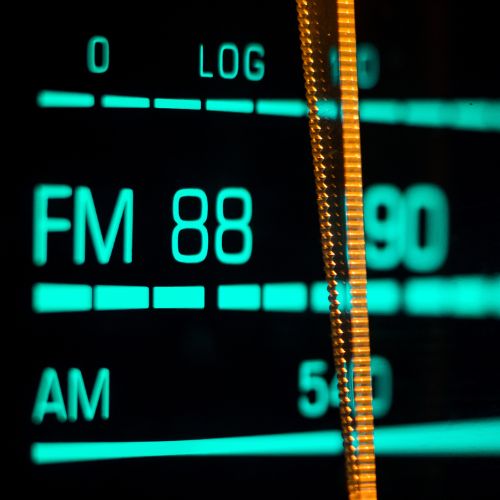
As the US ponders legislation to preserve AM radio access in cars, the UK government is preparing to debate whether FM broadcasting should be phased out in the 2030s, as digital listening now accounts for nearly 75% of all radio consumption across the country, according to the latest RAJAR data.
Announced by the Department for Culture, Media and Sport and Media Minister Ian Murray, the 2026 Radio Review will examine whether there should be a managed transition away from FM and, if so, over what timeframe. Government officials say the goal is to ensure long-term viability for UK radio as audience behavior shifts.
A previous Radio and Audio Review in 2021 concluded that FM should remain in place until at least 2030, but recommended that government and industry revisit the question in 2026. This new review reopens the debate over an eventual analogue switch-off.
The review will assess future listening scenarios into the 2030s, evaluate distribution strategies across platforms, and consider how emerging technologies, including artificial intelligence, could affect production and consumption. It will also examine the potential impact of any future decision on Digital Terrestrial Television and how that could influence radio distribution.
The review will conclude in the fall, with recommendations informing future policy development and the latter stages of the ongoing BBC Charter Review.
Media Minister Murray said, “In the midst of the media revolution, radio remains a powerful and popular medium that holds a special place in people’s lives. It provides company for the isolated, entertainment to millions of people on their daily commute, and helps circulate vital news and information across the country.”
“However, we also know that listening habits are changing as even more people access radio via digital and online platforms, whether at home or in the car…That is why it is so important that we carry out this review. We need to make sure that the UK radio industry has the right support to thrive long into the future,” he added.
Radiocentre CEO Matt Payton said, “Radio remains extremely popular, yet listening habits continue to change, driven by new technology and innovation. Whether audiences are listening on smart speakers, a radio set or in a connected car, it’s vital to ensure that distribution and access to radio is secure for the future. We look forward to working together with government and industry to address this challenge.”
BBC Director of BBC Sounds Jonathan Wall said, “We all have a common objective to secure and protect the future of radio for our listeners and welcome the opportunity to work together with our colleagues in commercial radio and across the industry during the Radio Review.”