


As the names of President-Elect Trump’s administration appointees roll in, the critical legal and regulatory issues facing broadcasters in the coming year were fleshed out and picked clean at Forecast 2025’s Signals of Change: What’s on the Docket for 2025 panel.
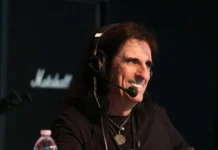
Moderated by Seth Williams, Attorney at Fletcher, Heald & Hildreth, the session featured key industry voices, including New York State Broadcasters Association President David Donovan, Gray Television SVP of Government Relations and Distribution Robert Folliard, National Association of Broadcasters Chief Legal Officer Rick Kaplan, and Beasley Media Group EVP and General Counsel Chris Ornelas.
Folliard expressed optimism about the potential for deregulation, suggesting that broadcasters might finally have a chance to operate on a more level playing field. “We’ve gotten so used to regulations that we need to reexamine the Communications Act of ’34,” he said, emphasizing the need to reduce burdens that don’t apply to newer platforms like Spotify or Netflix.
Kaplan echoed this sentiment, noting that the current FCC has put the industry on the defensive. However, he sees hope in the possibility of a GOP-led FCC bringing positive changes. “We’ve been fighting above our weight – what if we had an equal playing field?” Kaplan asked.
Ornelas tempered expectations, cautioning against assuming that a GOP administration will necessarily be good for radio. He highlighted that it has been nearly three decades since broadcasters have seen meaningful reform.
Advocates are rallying behind the AM Radio Act, which Kaplan described as the NAB’s top priority. The bill, designed to preserve AM radio’s place in vehicles, has garnered strong bipartisan support. Donovan urged broadcasters to press Congress to pass the legislation in the lame-duck session. “It’s a leadership game now,” Donovan said, emphasizing the need to attach the bill to a broader legislative package.
Kaplan praised the work of state associations and industry colleagues who have driven the bill this far. “We’re ready to capitalize on any procedural moment to get this done,” he said.
Artificial intelligence also loomed large as a new frontier for regulation on the state level. Donovan warned of coordinated efforts across all 50 states to regulate AI, creating potential liabilities for broadcasters distributing AI-generated content. He explained that these laws could place broadcasters in the precarious position of policing news content, particularly in the context of political campaigns.
Deepfake concerns were also highlighted. Folliard suggested the use of audio watermarks to flag authentic content, mitigating the risks of AI misuse. Ornelas, however, downplayed the likelihood of sweeping federal AI legislation in the immediate future.
The panelists agreed that broadcasters must remain proactive in addressing regulatory changes and advocating for fair treatment in an evolving media landscape. Whether it’s pursuing the passage of the AM Radio Act, rethinking deregulation, or navigating emerging AI challenges, the industry faces unprecedented hurdles and opportunities in 2025.

