


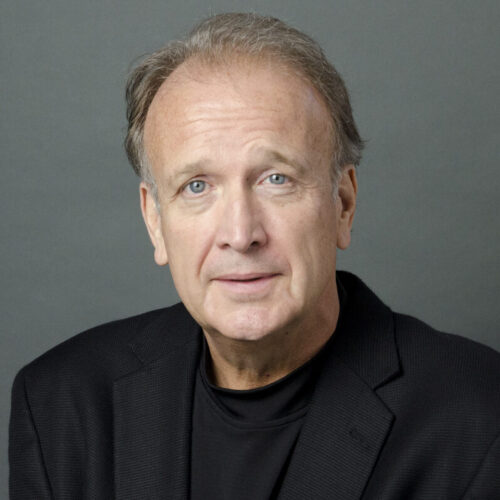
As protests tied to immigration enforcement and political unrest unfold across the country, journalist safety has never been more urgent. Retired Poynter Institute senior faculty Al Tompkins is now laying out a playbook for protecting radio and television reporters in the field.
In the latest episode of NASBA’s Broadcast Advocate podcast, Wisconsin Broadcasters Association President and CEO Michelle Vetterkind and WTMJ-TV News Director Tim Vetscher sat down with Tompkins for a candid conversation.
For news directors without a written field safety policy, Tompkins says to start with your company’s existing guidelines and legal counsel, then build at the station level. Before dispatching anyone, Tompkins urges news directors to ask whether a story is genuinely newsworthy or whether coverage simply rewards attention-seeking behavior.
Tompkins is emphatic about not sending anyone out alone. He also recommends crews study maps before heading out and always have an escape route planned. “Scenes move. So as protests unfold, scenes move down streets, and sometimes it’s difficult to remember where you exactly are.” Police can push journalists into containment areas fast, so knowing your exits matters.
For situations that may escalate, Tompkins outlines non-negotiables: a construction-grade helmet, a P100 filtration mask, and impact-resistant goggles. He also says to wear natural fibers. Flashbang grenades, increasingly used at ICE-related protests, shoot sparks that melt synthetic fabrics onto skin.
He reminds, “You do not have the freedom to ignore a lawful order from a police officer.” The First Amendment restricts Congress from limiting press freedom, but it doesn’t give journalists the right to stand wherever they want. “You can fight later. You can complain later. But follow the orders, because you don’t have other legal protections at that moment.”
Pre-event conversations with law enforcement go a long way. Tompkins also makes the case that coverage can benefit police. “When the protesters claim that you have overextended yourself, that you’ve been violent, but you are there, and you can document that what the protesters are saying isn’t true, that would work in your advantage.”