



What if the Alex Pretti shooting in Minneapolis happened in your listening area?
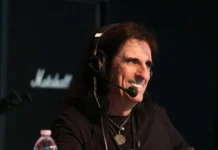
How do you handle this on a music station morning show that doesn’t talk politics? That was the question KDWB Minneapolis’ legendary morning host Dave Ryan was wrestling with the morning of January 26. It wasn’t theoretical. It was deeply personal.
Dave said he’s always known what to do when tragedy strikes. Even during something as painful and complex as the George Floyd story, he felt grounded in his role and responsibility as a broadcaster. But that weekend’s events were different.
He barely slept Sunday night. When Monday morning came, he was still grappling with how to execute the show. He admitted that, for the first time, the thought of taking the day off crossed his mind.
Then reality set in.
His city was in crisis – and not doing the show wasn’t an option.

How the Show Handled the Minneapolis Tragedy
Like the champion he is, Dave opened the mic with honesty, sincerity, and vulnerability.
He expressed exactly where he and the cast were emotionally. He said they would have to feel their way through the morning, and that this would not be a wacky, zany attempt to pretend everything was fine.
Because it wasn’t.
Dave said, “There is a family planning a funeral right now for Alex Pretti. It shouldn’t be that way. A healthy, giving, young person is gone. I have hope that things will get better.”
He went on to say, “Even though I’m good at being a pessimist, what about hope that this won’t happen again? What about the hope that people will stop canceling, blocking, and unfriending friends and family? What about the hope we all want for a better place?”
He then invited listeners to text their thoughts and feelings about the situation in Minneapolis.
Throughout the show, Dave and the cast acknowledged something critical: they were scared. They felt unsafe. And they were experiencing the same fear and uncertainty as their audience.
That shared humanity is what made the show resonate.
Five Tips for Handling a Tragedy in Your Market
- Acknowledge it regularly.
At least once every half-hour. Morning TSL is short, and people listen at the same time every day. Don’t assume they’ve already heard you address it. - Express your feelings, human to human.
You don’t need answers. You need honesty. Listeners don’t expect perfection; they expect authenticity. - Invite listener response.
Ask people to call or text with their thoughts and emotions. Community starts with conversation. - Tell relevant stories and ask listeners for theirs.
Stories create connection. They also help people process their feelings. - Study great execution.
When emotions are high, great execution comes from more planning, like bullet-pointing what you want to say to avoid meandering or being at a loss for words. Be sure your words match your feelings.
Listen to how Dave Ryan, Jenny, Bailey, and Vont opened the show and navigated the catastrophe on a music station here.
It’s a master class in leadership, empathy, and restraint.
When something devastating happens in your city, silence isn’t neutral. And pretending everything is “normal” isn’t comforting.
What is comforting – and powerful – is a trusted voice opening the mic and saying, “We’re going through this together.”
That’s what great broadcasters do when it matters most.