


The audience that advertisers most want to reach might just be listening to radio on their televisions. A new study from Cumulus Media and Signal Hill Insights puts that finding inside a broader portrait of podcast consumers as boundaries between audio platforms blur.
The sixteenth installment of the Podcast Download series was fielded online by Quantilope among 600 weekly podcast consumers ages 18 and older between April 21 and 27. Respondents employed in advertising, media, and related industries were excluded from the sample.
The influence hierarchy finding alone reframes a debate the industry has been having for years. When asked whose influence matters most, 52% of weekly podcast consumers named podcast hosts, more than double the 24% who cited social media influencers and well ahead of TV and movie celebrities at 15%.
The advertiser side of the picture is equally striking. The Advertiser Perceptions tracker, which has measured podcast ad consideration annually since 2015, shows current podcast advertising usage climbing from 15% that year to 78% in 2025. Ninety-one percent of agencies and marketers have discussed podcast advertising for potential media investment, and 74% say they would definitely consider it in the next six months.
Where radio enters the frame is on the device side.
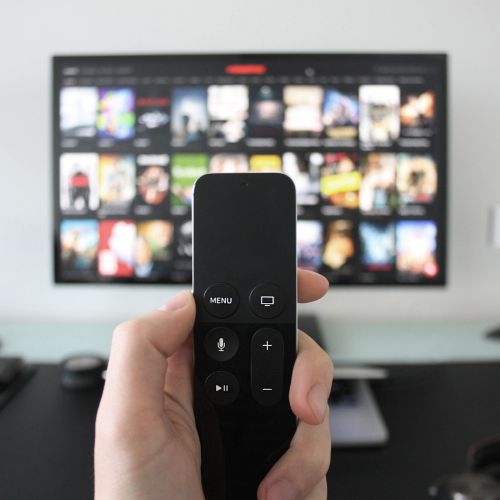
Podcast consumers, the study finds, are more likely to use their smart TV to listen to audio than to watch traditional television on it. Nineteen percent of weekly podcast consumers stream radio with ads on a smart TV; the net audio figure, which includes music streaming and ad-supported audio, reaches 57% of podcast consumers using their smart TV for audio in some form. Traditional TV viewing on the same device lands at 40%.
That finding intersects with the report’s most consequential data point for advertisers. Eighty-eight percent of weekly podcast consumers used an ad-free video streaming service in the past month, and 20% were not reached by TV streaming ads at all during a given week. One in three does not subscribe to any pay TV service. The audience that has most aggressively cut linear advertising from its media diet is also, it turns out, reachable through audio, including through a device most advertisers still think of primarily as a screen.
The report also documents the continued rise of YouTube as the dominant podcast platform, reaching an all-time high of 44% as the most used platform among weekly consumers in April 2026, up from 31% in April 2024. Spotify holds a distant second at 14%, with Apple Podcasts at 5%. Despite YouTube’s visual pull, 92% of podcast consumers still choose to listen rather than watch, and those who prefer audio-only are disproportionately consuming in the car and on mobile devices.