

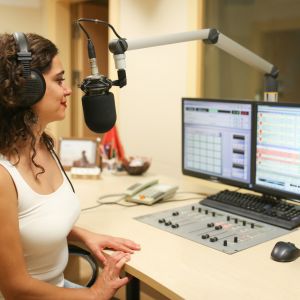
As budget cuts shrink on-air talent rosters across the country, new Katz Radio Group research makes the cost of that tradeoff clear: personality is a massive driver of radio loyalty, and listener trust in those hosts is the mechanism behind ad effectiveness.
The findings come from a custom online survey of 1,600 US adults 18+ conducted earlier this month. Nearly two-thirds of listeners rate on-air hosts as very or extremely important to their enjoyment of a station, and 57 percent can name a favorite personality from their preferred outlet.
That finding tracks with Jacobs Media’s Techsurvey 2026, which found personalities outranking music as the top programming driver for the seventh consecutive year, with six in ten P1 listeners citing hosts and shows as a primary reason they tune in.
The Katz data adds the commercial dimension: six in ten listeners say they are more likely to consider a brand endorsed by a DJ or on-air personality, while nearly 40% describe those endorsements as more personal and authentic than traditional advertising. Thirty-seven percent say personality-driven spots attract more attention than a standard commercial.
The broader emotional metrics reinforce the picture. More than 91% of listeners say their favorite station improves their mood, 84% say it feels connected to their local community, and nearly 93% say they would miss it if it were gone.
Frequency and daypart patterns round out the advertiser case. More than 86 percent of listeners engage with radio on a frequent basis. Sixty-four percent tune in during weekday mornings, 52 percent during afternoon drive, and 41 percent at midday. Half of all listening happens in the car, where AM/FM reaches consumers away from screens during commute windows when, as prior Katz research has documented, they are actively in decision-making mode. Fifty-nine percent say they pay attention to ads on their favorite stations, and 57 percent say they trust the brands advertised there.
The trust transfer from station to advertiser is a finding radio has been trying to quantify for years.
A February 2026 Advertiser Perceptions study conducted with Cumulus Media/Westwood One’s Audio Active Group found that creative drives 49 percent of actual sales lift per Circana data, while marketers peg its contribution at just 23 percent; a gap that directly disadvantages personality-driven live reads in media planning conversations. The Katz data offers a complementary argument: listener trust in radio personalities is not incidental to advertising effectiveness; it is the mechanism.