
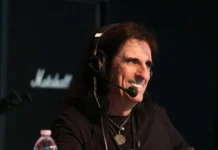




Whether it’s coaching in sports or business, wellness and longevity, entertainment or content creation, or you’re one of those who execute marketing tactics, an air talent, seller, or manager, we can all benefit from being coached.
During my career, I’ve had a variety of coaches and mentors. They not only improved my skills, but they inspired me to become a consultant. It was the coaching from others that led me to understand that we are all lifelong projects.
If you’re open to accepting coaching, and you understand the value that comes with improvement and evolution, then it’s likely that you are accepting of the fact that the best performers are never a finished product. They seek advice, suggestions that may give them an edge, or a spotlight on an area needing improvement that was a blind spot for them. The very best performers know what works for them, but they’re still open to advice from those whose advice they believe in and have respect for.
My belief, whether I am doing the coaching or being coached, is that it doesn’t hurt to listen to the advice being offered.
You can always pause and think about the coaching you’re receiving. You can evaluate and apply what you think works best for you. You can always say NO after you’ve had a chance to think about the message coming your way. The evaluation of the coaching message has to begin with the coach knowing you, you knowing the coach, and you both understanding what is the purpose of the coaching. Smart coaches know that when the person being coached wins, they win.
My experience in coaching talent is that my words resonated the most in working with former athletes. They have been coached since they were single digits in age. They know that there’s a reason behind being coached. They understand that the advice their receiving will benefit them. At least it should. I’ve coached a couple broadcast teams along the way. One situation that comes to mind is the former athlete (the color analyst) taking notes and asking questions while the broadcaster (play-by-play) crossed their arms and looked around the room.
Working with elite on-air performers and talent has, in most cases, mirrored what I observed with athletes. They are continually prepping. Everything they see somehow comes back to an evaluation point as to whether it makes it into the show or not. Inquisitive, interesting, well read, and smart. I’ve never met a successful talent who wasn’t smart. They’re engaged at a level of leadership where they own the show. They understand their brand and that of their show. They’re open to suggestions, provided it’s based on trust with advancement in mind.
My approach to coaching is learning all I can about the person being coached before we start the process. My approach to being coached is sharing as much as I can so the coach knows me, what I’d like to accomplish with coaching, and what positive and negative experiences I’ve had with other coaches. What I share with those coaching me is the type of thing I want those I am coaching to share with me.
Most importantly: when I am being coached, I listen. When coaching, I listen even more.
INSPIRE … I like that as a foundation of positive coaching. Appreciate you sharing. Bill, thank you.
Mike, you’ve made several important points about how to be an affective radio personality “coach”. When I was a medium and major market program director, I learned many of the points you made in your article. Although there are many things that go into being affective, you hit upon the single most important attribute, that is the ability to INSPIRE, not to tell performers what they are doing right and wrong, it’s to dig down and bring it out from within themselves. This does not mean giving false praise, just recognize what they bring to the table, as well a your vision of the stations s0und. That at least begins to establish a mutual relationship of respect and cooperation. How 8t g9es from there depends on the show host’s level of understandings and cooperation. In other words, be open minded but lead in a way that focuses on their role in the whole station’s “personality”.
Comments are closed.