
Recently, America celebrated its 250th birthday, but the activities will last all year long. Local radio stations are telling America’s story in every corner of the country, highlighting the people, places, and moments that define our communities. It also presents an opportunity for policymakers to strengthen local broadcasting so stations can continue serving their communities for generations to come.
Nothing better illustrates that opportunity than the AM Radio for Every Vehicle Act.
After years of advocacy, we are closer than ever to seeing this bipartisan legislation signed into law. The broad support in both parties has created multiple opportunities to advance the bill, and we remain focused on getting it to the president’s desk.
This progress reflects the extraordinary work of broadcasters across the country. Through NAB’s Depend on AM campaign, stations have mobilized listeners, engaged lawmakers, and built strong support for protecting one of America’s most trusted and resilient communications services.
That advocacy was on full display in March, when more than 570 television and radio leaders traveled to Washington for NAB’s State Leadership Conference. We met directly with members of Congress to advocate for protecting AM radio, modernizing outdated ownership rules and preventing a performance tax on local stations. Those conversations continue to strengthen support for policies that will help local radio compete and thrive.
Now, Congress must finish the job and pass the AM Radio for Every Vehicle Act. Once again, radio stations mobilized. Just this week, broadcasters from more than 30 states visited Capitol Hill with partners from local emergency management agencies, AARP and the International Association of Fire Chiefs to tell Congress to pass this bill and send it to the president’s desk.
At the Federal Communications Commission, we are also urging the agency to modernize outdated local radio ownership rules. The FCC has an opportunity to update regulations that were written for a media marketplace that existed long before streaming, podcasts and digital audio transformed how Americans listen. Today’s local radio stations compete every day with Amazon, Apple, SiriusXM, Spotify and other digital audio services that face none of the restrictions imposed on broadcasters. Modernizing these rules will allow local stations to invest more in local journalism, innovation and the community service listeners depend on.
While broadcasters have been making the case in Washington, we have also been working to shape the future of our industry.
More than 58,000 media professionals gathered in Las Vegas for the 2026 NAB Show, where broadcasters, creators and technology leaders explored the innovations transforming media. It was great connecting with broadcasters during the Small and Medium Market Radio Forum, where operators in markets 51 and up discussed a variety of issues, including sales, podcasting and digital audience engagement. From artificial intelligence and connected cars to new tools for local newsrooms, the show demonstrated how broadcasters are embracing innovation to better inform, serve and connect their communities.
We also remain committed to defeating any proposal that would impose a new performance tax on local radio stations. Such a fee would weaken local broadcasters and ultimately harm the listeners, artists and communities who benefit from the unique partnership between radio and the music industry.
As America marks its 250th anniversary, we have an opportunity to celebrate our nation’s history while investing in its future. Local broadcasters have earned the trust of our communities by showing up every day, delivering news, emergency information, lifesaving weather coverage and companionship when people need it most.
I have no doubt radio will continue doing exactly that for the next 250 years, and NAB’s job is to make sure we can.
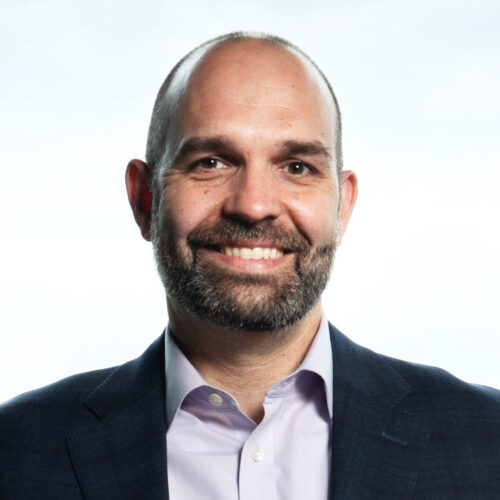
Curtis LeGeyt is the president and CEO of the National Association of Broadcasters. He serves as the chief advocate for America’s free, local radio broadcasters.