

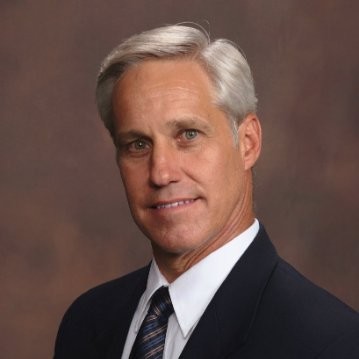
John Zimmer built a case that helped kill the FCC’s TV Top-Four Prohibition in federal court last year. Now, the Zimmer Radio of Mid-Missouri President wants the Commission to go further and scrap local radio ownership caps altogether for the 2022 Quadrennial Review.
Zimmer, whose Missouri-based company operates 10 stations across six Show Me State markets, filed an ex parte letter with the FCC as part of its 2022 Quadrennial Review. The filing continues a years-long push that began in 2019, when Zimmer Radio first petitioned the FCC for ownership rule modernization. That effort culminated in a 2025 suit against the Commission in the Eighth Circuit Court of Appeals, which ended a rule that had long barred combinations among the four largest television broadcast networks in a single market.
Now Zimmer is pressing for the next step: complete elimination of local radio ownership caps. His argument tracks closely with the NAB’s, which, under President and CEO Curtis LeGeyt, has made deregulation a central priority. The core of the case is straightforward: the audio and advertising markets of 2026 bear little resemblance to those of 1996, when current caps were set.
“Radio broadcasters compete with streaming music platforms and podcasters that didn’t exist then,” Zimmer wrote, “and that now reach audiences anywhere and everywhere through smart phones and other digital devices that no one had in the last century.” He also pointed to the dominance of large digital advertising platforms that have cut deeply into local radio’s revenue base, arguing that broadcasters are the only players in the competitive landscape subject to artificial ownership restrictions.
The small-market economics argument sits at the heart of Zimmer’s letter. Stations in mid-sized and smaller markets earn a fraction of the ad revenue generated by large-market outlets, he wrote, yet carry the same fixed costs of equipment, power, programming, and staff. When revenues fall, staffing is the first casualty, which in turn weakens a station’s ability to serve its community.
Zimmer said his company tries to retain jobs, but that it is “increasingly difficult.”
His proposed remedy: allow operators to own more stations per market, spread programming and news costs across more outlets, erase duplicative formats, and offer greater variety to attract broader audiences and more advertisers. “If permitted under FCC rules, Zimmer Radio would invest in more stations,” he wrote, framing consolidation not as a threat to localism but as its best remaining defense. “The same competitive forces that have already devastated local newspapers now seriously threaten broadcasters and their services to local communities.”
With reporting from Adam Jacobson