

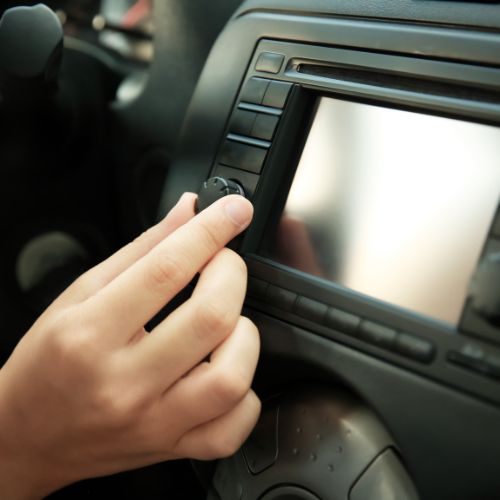
Large-scale in-car data is radio’s newest measurement contender, and Nielsen is questioning whether it can stand alone. The ratings company says head-unit data cannot identify listeners or capture older vehicles, with reach and listening share as backdrop.
Nielsen’s essay argues that in-car data on its own shows what an automotive head unit was tuned to, not who was listening. Nielsen says such data typically cannot tell a driver from a passenger, count the people in the car, or verify demographics, and that it reflects only the vehicles that report it, often newer models with data sharing turned on. Older vehicles, delivery vans, professional services vehicles, semi trucks, and cabs go uncounted, according to Nielsen.
Nielsen says any in-car data set offered as a standalone basis for buying radio deserves review of who is in the sample, how it is weighted, and whether it measures people or devices. It adds that it anchors large data sets to verified human behavior from proportional, census-informed panels.
The essay does not name any specific provider.
Xperi launched the DTS AutoStage Broadcaster Portal in 2023 and, in April, added a paid Premium tier. Stations can see competitive rankings by daypart in their market and neighboring markets, with data by day, week, month, and quarter. The system draws on tuning data from vehicles running AutoStage, which Xperi says logs more than 34 million hours of monthly US listening from over 16 million vehicles.
On its own measurement, Nielsen says its Portable People Meter in the 48 largest markets passively detects codes in station audio wherever the panelist goes, including the car, and the average adult wears it about 14 hours a day. Diaries cover more than 200 additional markets and outlying counties. Nielsen says its three-minute listening qualifier, in place since January 2025, has raised measured average audience by 24% on average. It adds that its samples are random and address-based, weighted to Census figures, and that its diary service has held Media Rating Council accreditation since 1968.
Nielsen frames the argument around radio’s reach. It says radio reaches 92% of US adults every month, or more than 242 million consumers, ahead of TV-connected devices at 90%, smartphones at 87%, and live and time-shifted TV at 85%.
About 65% of adult radio listening happens outside the home, rising to 73% during weekday drive times, and more than 80% of ad-supported in-car audio time goes to AM/FM, per Edison Research’s Q2 2026 Share of Ear. Of the ad-supported audio time advertisers can buy, radio and podcasts account for 82% and streaming music services 16%.
Nielsen also cites its In Car Radio Study with iHeartMedia, in which around half of more than 1,000 recent and prospective car buyers said they would refuse to buy a vehicle without AM/FM. Nielsen’s Global Compass benchmarks show radio delivering a weighted ROI of $2.00, second to social media at $2.22, though marketers ranked radio last of 10 channels for perceived effectiveness. The ROI figures are global.