


Retired sheriff’s deputy David Taylor didn’t need Spotify, TikTok, or a viral video to turn a retirement hobby into a statewide phenomenon across West Virginia. He just needed one Sunday morning on a small-town Country music station to make him a star.
Taylor’s story was featured on the Local Marketing Trends podcast, hosted by Corey Elliott and Gordon Borrell of Borrell Associates, as part of a summer series on small local ideas that got big courtesy of radio.
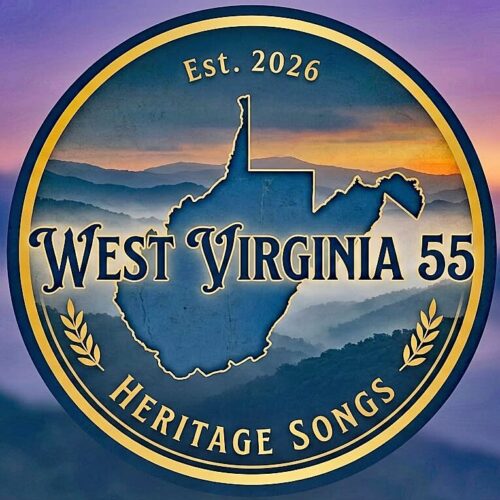
After roughly 18 months researching West Virginia’s 55 counties for his lyrics, Taylor turned to Suno, an AI music platform he’s used on a commercial subscription for about a year and a half, to produce the actual recordings. The result, the West Virginia 55 Heritage Project, packs 15 to 20 historical references, landmarks, rivers, town names, and historic sites into each county’s song.
The project’s turning point wasn’t algorithmic. It was WVRC Media’s WDNE, where The Danger Zone with Joe Danger played several of Taylor’s songs on air and asked for more. That single appearance led to an invitation from the West Virginia Council for Social Studies, and from there, interest in the project spread statewide. Taylor has since performed the songs live in the counties they cover and describes the reaction as consistently strong. People say the history “comes alive” when they hear it tied to places they know.
Discussing what made Taylor’s project take off, Borrell called the sequence “the old school viral chain,” and later, describing radio’s role more precisely, said Taylor, “needed an imprimatur, and WDNE gave him one.”
Borrell and Elliott also framed Taylor’s use of AI as a lesson for small businesses rather than a shortcut. Because Suno handled the music production, Taylor could put his time into research and outreach instead. As Borrell suggested, let AI absorb the repetitive work so the time saved goes toward the parts of a project, or a business, that actually require a human touch.
The West Virginia case study stands as a clean example of a theme radio knows well: in a market flooded with digital discovery tools, a single trusted local signal can still be the thing that makes something real.