

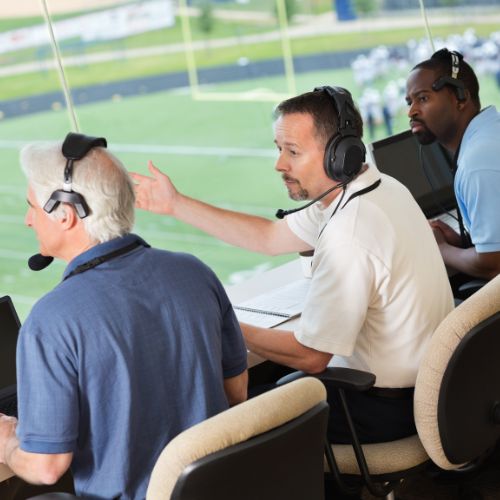
Sports fans have more ways than ever to follow their teams, from linear TV and streaming services to apps and social platforms. Yet radio play-by-play is having a moment, according to new Audacy analysis, thanks to the enduring power of the hometown voice.
Audacy SVP of Research & Insights Ray Borelli says fans are not necessarily choosing radio because they cannot watch; they are listening because they want a familiar, local voice that knows the team, the players, the history, the rivalries and the personalities. Technology is making that voice more accessible than ever, with Edison Research data showing the share of sports radio listening on mobile devices has grown threefold since 2022.
Borelli attributed the rise of podcasts to having reinforced fandom on the go, training audiences to treat audio as something that travels with them through the day while commuting, exercising, cooking or working around the house, following their team without devoting hours to a screen.
Chicago Cubs Radio announcer Pat Hughes described the connection listeners feel to his voice, saying, “No sport is better suited for radio than baseball. We have constant chatter and communication with the audience. That’s what listeners find so appealing about radio. It’s a match made in heaven.”
Audacy’s Sports Fanatics Study, released earlier this year, found that 36% of MLB fans have paired play-by-play audio with live television, using the local broadcast to add context and personality to the visual experience. Apple TV+ has built on that behavior by letting viewers select a local radio broadcast during live baseball telecasts.
A similar approach is taking hold at stadiums across America. For example, Mets fans at New York’s Citi Field can listen to a synchronized radio broadcast on-site through a partnership between Audacy and SportsBug. Audacy said fans started more than 17,000 streams and logged more than 3,800 hours of in-stadium listening through the season’s first 50 games.
The report also noted that streaming has extended local broadcasts well beyond their home markets, letting fans follow a team’s radio call from anywhere. Borelli framed the shift as evidence that sports audio is no longer defined by where a fan is located, but by how that fan chooses to experience the game.