

(William Pollack)
I’ve always loved radio. It’s played a big role in my life and has always sparked my imagination. I think anyone, no matter their income, can afford a simple, traditional radio. You don’t need fancy online services with endless content; a basic radio is enough.
There’s a comforting quality about that little speaker, always ready to keep you company with music, news, and interviews.
While streaming offers endless choices, there’s still something special about the simplicity and companionship of radio. With all the changes in communication, I sometimes wonder whether radio hosts still realize how much their voices impact their listeners, and how much listeners depend on them.
One of my earliest memories, probably from the late 1960s, is my grandfather saying he learned more from listening to the radio, especially KMOX in St. Louis, than anywhere else. He lived in Sikeston, Missouri, and I grew up in Cape Girardeau, about 30 miles north. My other grandfather in Cape never missed a Cardinals baseball broadcast with Jack Buck and Harry Carey, and later Mike Shannon and the announcers before my time. Even now, I can’t listen to a Cardinals game without a cigar, just like my grandfather smoked one during every broadcast.
Broadcasters remember those small details most people overlook.
I remember once when Harry paused for station identification in the middle of an exciting game; my grandfather, a World War I Purple Heart recipient, turned down the volume and told me how upset he was because the National Anthem on that hometown Cardinals affiliate station played at midnight sounded “blurry.” He called it “un-American.” Radio geeks like me know that simply meant the tape and cartridge pads were worn out.
I explained this to him, and he let the local station manager know how he felt, whom he saw shortly after at a Rotary Club meeting. Within days, the National Anthem sounded better than ever because both a listener and manager cared. Locally owned radio was the best, and I was lucky to be part of it. Those were good times, and even though radio has changed, it can still be great, and many station operators serve their markets better than in the good old days.
Many have talked about the problems with big radio companies, digital automation, and remote voice tracking. Even though radio broadcasting has changed a lot, its greatest strength is still localism. Radio still plays an important role in our communities. The industry faces tough economic and competitive times, but local radio still attracts loyal listeners.
Broadcasters should always remember what made us such good friends to our listeners and advertisers. Radio doesn’t need to turn back the clock to rediscover its greatness. It simply needs to remember what made it great in the first place: local voices, personal connections, and commitment to community.
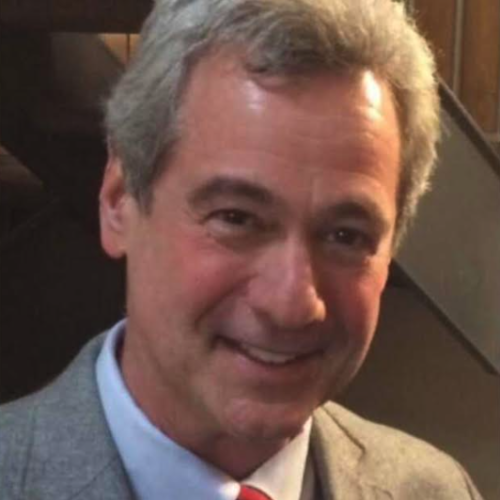
William Pollack has spent four decades owning and operating local radio stations, television stations, and movie theaters. He contributes to the Washington Examiner and Radio Ink.