


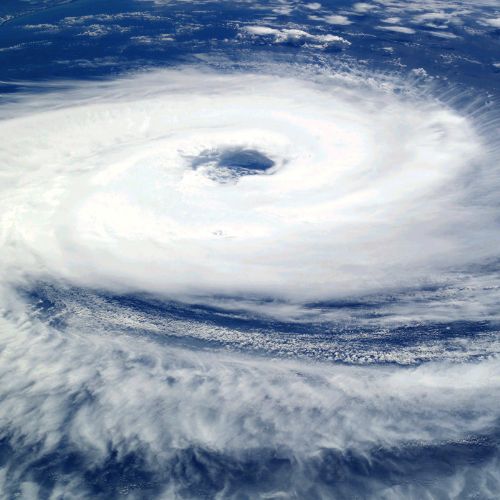
When a hurricane cuts power and cell service to a coastal region, radio becomes the final lifeline that people rely on to keep them safe. The advertisers funding that coverage are buying something no other channel can replicate: a direct line to a community’s trust.
Based on NOAA averages, a typical season produces 14 named storms, seven hurricanes, and three major hurricanes, storms with Category 3, 4, or 5 strength. For communities in a storm’s path, the need for timely, accurate information becomes a matter of safety: which evacuation routes are open, what roads are flooded, when the storm will arrive, and where residents can find shelter, food, water, or emergency assistance.
A new thinkpiece from Katz Radio Group asserts AM/FM’s advantage in that moment is adaptability. Local stations can interrupt regular programming with weather warnings, evacuation and shelter information, road closures and flooding reports, school and business closures, power-outage updates and instructions from emergency-management officials. National forecasts can tell people a hurricane is approaching. Local radio can explain what that means for their specific neighborhood.
None of that coverage runs without support, and that’s where advertisers come in.
Sponsors help fund the programming, staffing, and infrastructure required to keep critical information on the air during severe weather. In return, their messages are genuine community resources, providing emergency hours, fuel availability, supplies, donation drives, and assistance for affected residents, delivered as timely, accurate, and clearly identified sponsor content rather than as a distraction from it.
The most effective emergency sponsorships are built around service. A station might pair a weather-update segment with a sponsoring hospital, utility, grocery store, home-improvement company, bank or insurance agency, with the sponsor contributing practical information alongside its name. For the brand, Katz says that arrangement offers something a typical spot can’t: association with the medium a community turns to when it needs help, and a visible demonstration of preparedness, reliability, and commitment.